


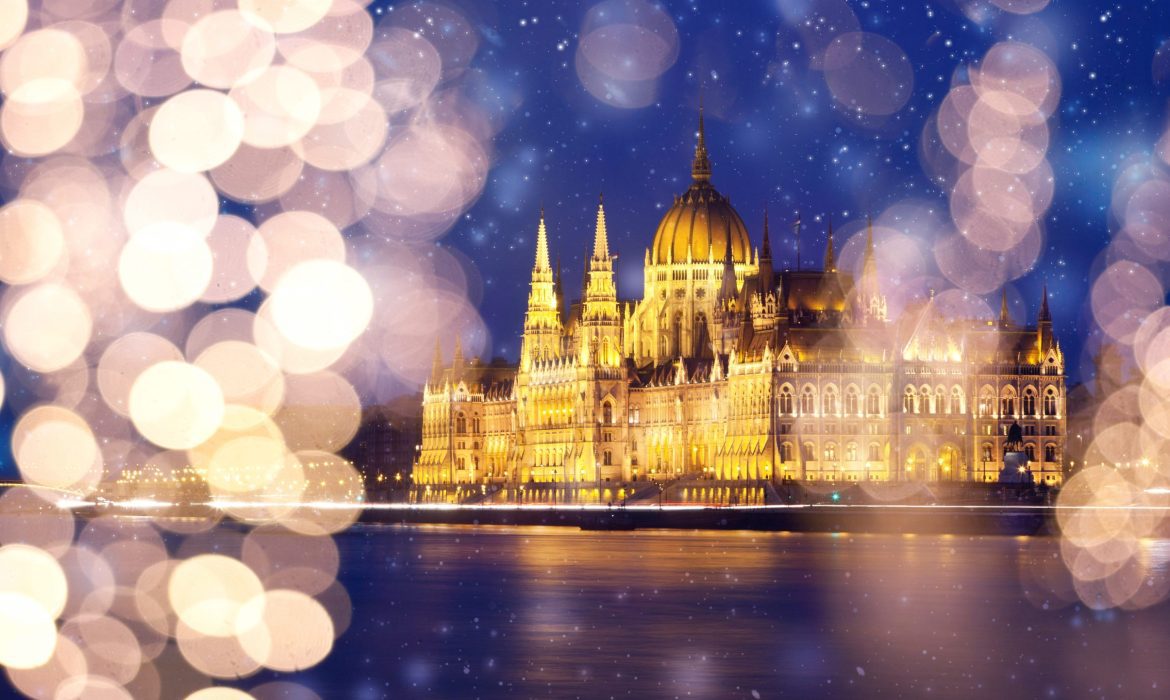
Hungary is a destination where winter is lived to the fullest. History, gastronomy, wellness and tradition come together to offer a different kind of New Year’s Eve, marked by illuminated landscapes, thermal waters and a rich cultural agenda. A distinctive way to say goodbye to the year and welcome the next with authentic, memorable experiences.
During the colder months, the country proves that winter is no reason to slow down. From celebrations under festive lights to outdoor thermal baths, frozen lakes, cultural performances and urban routes turned into fairy tales, Hungary offers countless ways to make the turn of the year truly special.
Budapest, a capital with countless ways to welcome the New Year
At this time of year, the Hungarian capital comes alive and stands out as one of Europe’s top cities for New Year celebrations. Among the most original experiences is New Year’s Eve at Aquaworld Budapest, a vast water complex that on 31 December transforms into a winter party venue. Music, lighting and heated pools create a surprising atmosphere that blends celebration and relaxation.
Culture also takes centre stage. The traditional New Year’s Concert by Zoltán Mága brings together audiences of all ages and has become a must-attend event for starting the year to the sound of music. Meanwhile, the Hungarian State Opera presents special productions during the festive season, such as The Nutcracker, offering a glimpse of a more elegant and artistic Budapest.
For those looking for something less conventional, Recirquel presents Walk My World, an immersive show combining acrobatics, visual storytelling and technology, designed to surprise both long-time followers and first-time audiences alike.
Gastronomy plays a key role as well. Restaurants such as SALT, Rumour by Rácz Jenő and Costes Downtown create special menus featuring local ingredients — herbs, fermented products, pickles, fish and traditional meats — reimagined through a contemporary culinary lens. Adding to this is Virtu, which offers a New Year’s celebration from above, with panoramic views of the illuminated city and a carefully curated dining experience.
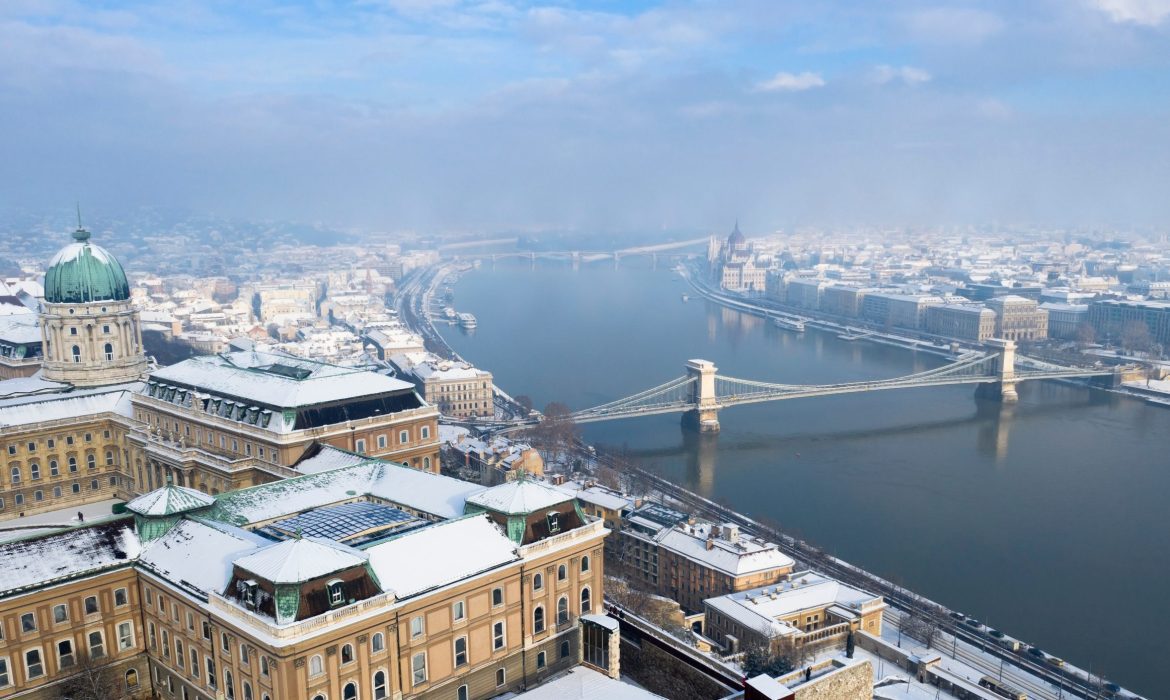
Another way to experience Budapest at night is from the Danube itself. Dinner cruises provide a calm and elegant alternative for welcoming the New Year, as the city’s landmarks unfold along both riverbanks, reflected in the water.
The Hungarian countryside also joins the celebration
Beyond Budapest, the rest of the country embraces the festive season with equal enthusiasm. Lake Balaton, often referred to as the “Hungarian sea”, hosts some of the most appealing winter programmes. In Zamárdi, the lakeside promenade becomes home to the Winter Promenade, featuring an ice rink, live music weekends and festive activities that continue until late February.
Nearby Balatonfüred turns its ice rink into the heart of winter celebrations. Opening in mid-December, it culminates in a special New Year’s Eve event, making it one of the area’s main gathering points.
For those who prefer to stay active during the holidays, Hungary also offers sporting alternatives. The New Year’s Eve swim across Lake Malom-tó or the Szalay Gyöngyi Memorial Run in Tapolca provide a chance to end the year with a personal challenge in a unique atmosphere.
Ice skating takes centre stage in Eger, home to the Spin Ice Rink, the largest mobile ice rink in the country — a perfect spot to enjoy winter with speed, turns and crisp air.
One of Europe’s most distinctive festive attractions can be found in Miskolc, where the famous Advent Tram travels through the city decorated with a different design each year. Awarded several times as one of the most beautiful trams in Europe, it has become an unmissable winter highlight.
Just outside Budapest lies Gödöllő, where the Royal Palace offers two very different yet equally captivating experiences. The Sisi Light Garden invites visitors to explore a nighttime route filled with luminous installations, while the exhibition dedicated to A. E. Köchert, jeweller to the Imperial Court, showcases unique pieces and the craftsmanship linked to the history of the Habsburgs.